The Story
Digital Foldable Cotton Bag-LWA618
Artist: Liddy Napanangka Walker
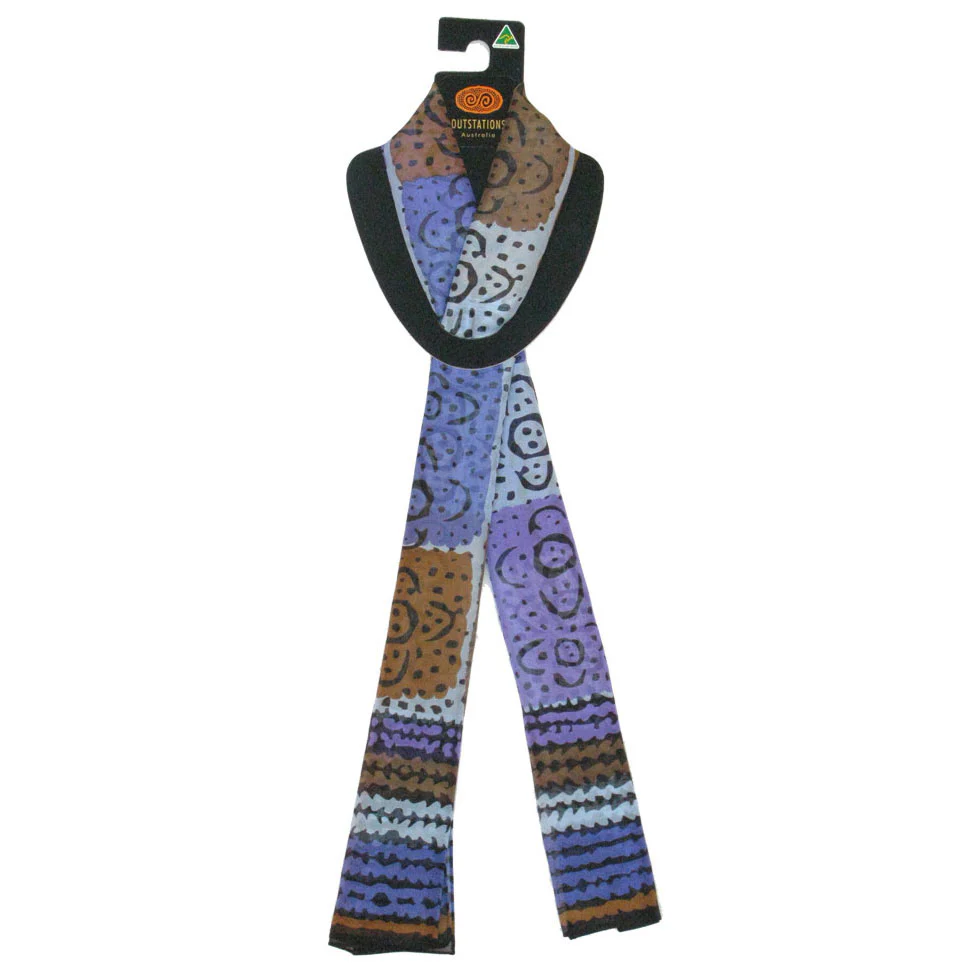
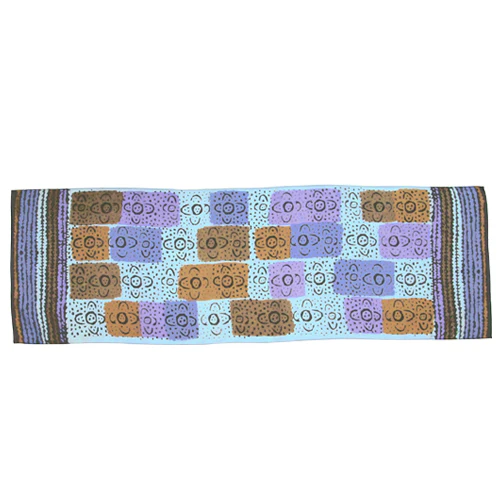
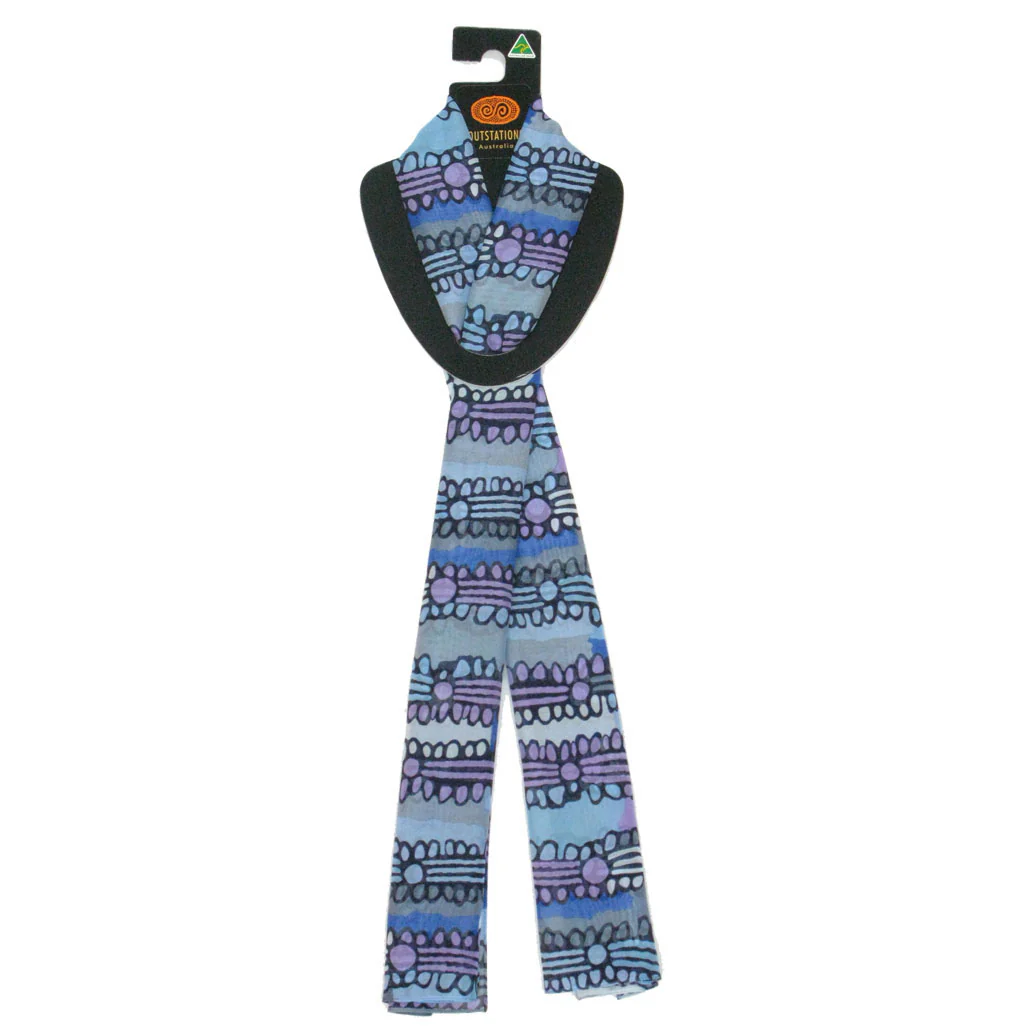
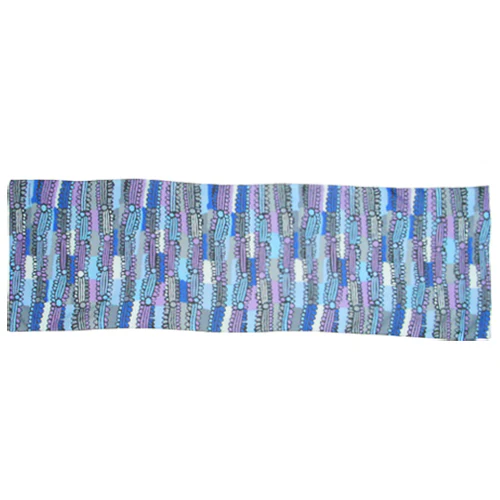
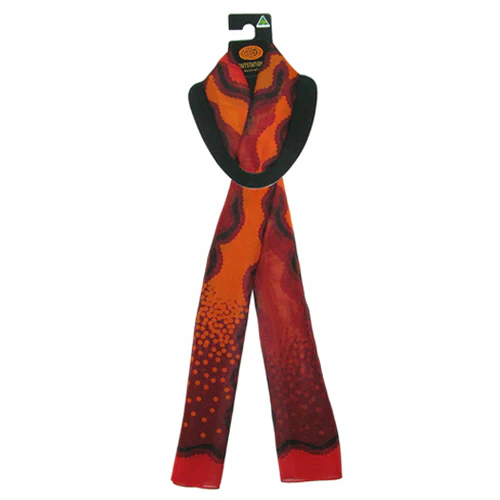
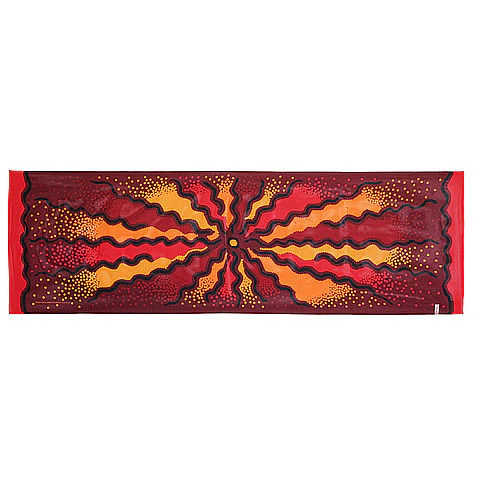
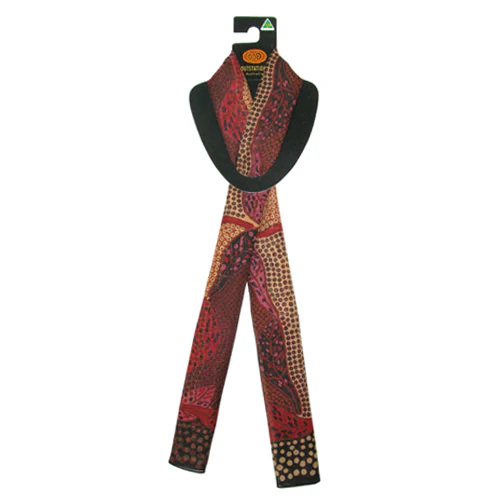
The main motif of this painting depicts the ‘wakirlpirri’ (dogwood [Acacia coriacea]) tree. ‘Wakirlpirri’ is a very useful tree that grows on the sides of creek beds and near ‘mulga’ trees. The seeds of this tree can be eaten raw or cooked on the fire. A deliciously sweet drink called ‘yinjirrpi’ is made from the seeds when they have been dried. The wood can be used to make weapons such as ‘karli’ (boomerangs) and dancing boards for ceremonies. It is also good wood for burning on the fire because rain cannot extinguish burning Wakirlpirri wood. In contemporary Warlpiri paintings traditional iconography is used to represent the Jukurrpa, particular sites and other elements. This Jukurrpa travels from Jarrarda-Jarrayi through to Puturlu (Mount Theo) west of Yuendumu. This Jukurrpa belongs to Japanangka/Japangardi men and to Napanangka/Napangardi women.
Description
Digital Foldable Cotton Bag-LWA618
Artist: Liddy Napanangka Walker
The main motif of this painting depicts the ‘wakirlpirri’ (dogwood [Acacia coriacea]) tree. ‘Wakirlpirri’ is a very useful tree that grows on the sides of creek beds and near ‘mulga’ trees. The seeds of this tree can be eaten raw or cooked on the fire. A deliciously sweet drink called ‘yinjirrpi’ is made from the seeds when they have been dried. The wood can be used to make weapons such as ‘karli’ (boomerangs) and dancing boards for ceremonies. It is also good wood for burning on the fire because rain cannot extinguish burning Wakirlpirri wood. In contemporary Warlpiri paintings traditional iconography is used to represent the Jukurrpa, particular sites and other elements. This Jukurrpa travels from Jarrarda-Jarrayi through to Puturlu (Mount Theo) west of Yuendumu. This Jukurrpa belongs to Japanangka/Japangardi men and to Napanangka/Napangardi women.