🚚 Free Worldwide Shipping on All Orders!Shop Now
$13.36
Original: $44.55
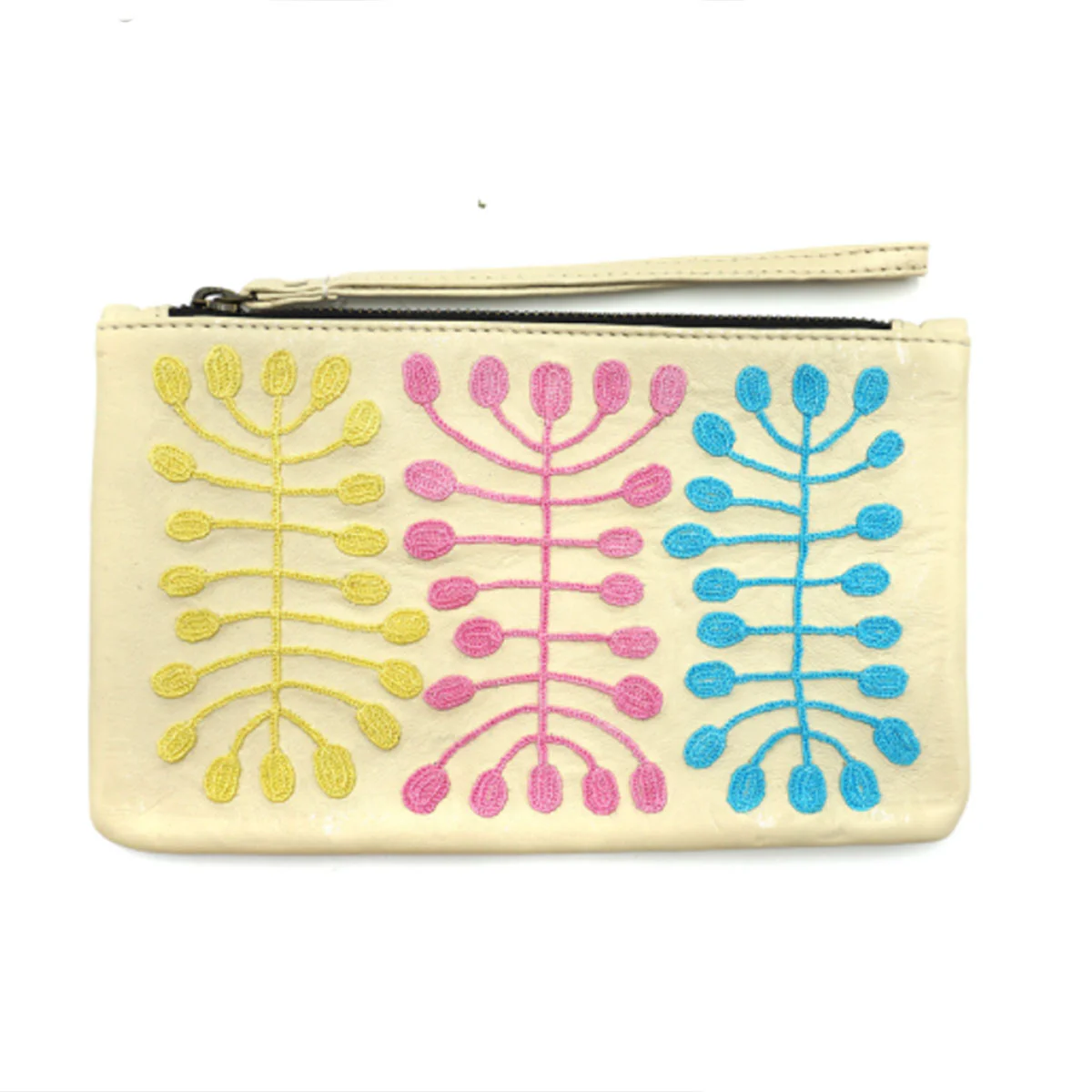
-70%Clutch Leather w Wrist Strap Mitjili Napurrula - Better World Arts—
$44.55
$13.36The Story
Leather Clutch w Wrist Strap- 14×22.5cm-MNA320
itjili paints the Watiya Tjuta tree. Mitjili’s style is unique and recognisable. The Watiya Tjuta in Mitjili’s paintings is her father’s Tjukurrpa (dreaming) in Ilyingaungau country (Gibson Desert). This was passed down to her by her mother, Tjunkayi Napaltjareri when story telling, using the same to draw the story as it is told in the traditional way. She remembers “…After I got married, my mother taught me my father’s Tjukurrpa in the sand, that’s what I’m painting on the canvas”, a women’s interpretation.
itjili paints the Watiya Tjuta tree. Mitjili’s style is unique and recognisable. The Watiya Tjuta in Mitjili’s paintings is her father’s Tjukurrpa (dreaming) in Ilyingaungau country (Gibson Desert). This was passed down to her by her mother, Tjunkayi Napaltjareri when story telling, using the same to draw the story as it is told in the traditional way. She remembers “…After I got married, my mother taught me my father’s Tjukurrpa in the sand, that’s what I’m painting on the canvas”, a women’s interpretation.
Description
Leather Clutch w Wrist Strap- 14×22.5cm-MNA320
itjili paints the Watiya Tjuta tree. Mitjili’s style is unique and recognisable. The Watiya Tjuta in Mitjili’s paintings is her father’s Tjukurrpa (dreaming) in Ilyingaungau country (Gibson Desert). This was passed down to her by her mother, Tjunkayi Napaltjareri when story telling, using the same to draw the story as it is told in the traditional way. She remembers “…After I got married, my mother taught me my father’s Tjukurrpa in the sand, that’s what I’m painting on the canvas”, a women’s interpretation.
itjili paints the Watiya Tjuta tree. Mitjili’s style is unique and recognisable. The Watiya Tjuta in Mitjili’s paintings is her father’s Tjukurrpa (dreaming) in Ilyingaungau country (Gibson Desert). This was passed down to her by her mother, Tjunkayi Napaltjareri when story telling, using the same to draw the story as it is told in the traditional way. She remembers “…After I got married, my mother taught me my father’s Tjukurrpa in the sand, that’s what I’m painting on the canvas”, a women’s interpretation.